Featured
Table of Contents
There are 7 stages of grief in the grieving process. They include shock, denial, temper, bargaining, clinical depression, testing, and acceptance. This procedure helps individuals heal after experiencing loss. Signs and symptoms of sorrow usually solve after 12 years. If an individual has actually an enjoyed one or buddy that is experiencing grief, they can assist them cope in numerous methods.
Additionally, regional and national support system may be an invaluable source of convenience and companionship to those who have actually experienced a loss. Keep reading to discover the stages of the mourning procedure, sorts of grief, just how to provide support, and much more. Sorrow is a natural experience that helps an individual procedure the discomfort of loss and relocation towards recovery.
Narrative Therapy for Trauma in High-Achievers
, Dr. Elisabeth Kubler-Ross developed that there are 5 stages of sorrow: denialangerbargainingdepressionacceptanceHowever,, grief expert David Kressler has discussed additional stages of pain. Therefore, individuals commonly describe seven phases of sorrow. They include the following: This stage may include numbed shock in feedback to news of a loss. It may work as a psychological barrier to avoid somebody from feeling bewildered.
Negotiating includes ideas such as "I will certainly do anything if you eliminate the discomfort." This stage may come at any point within the mourning procedure. Shame regularly accompanies it. At this stage, a person might experience feelings of vacuum and extreme sadness. They might likewise withdraw from daily tasks and things they once took pleasure in.
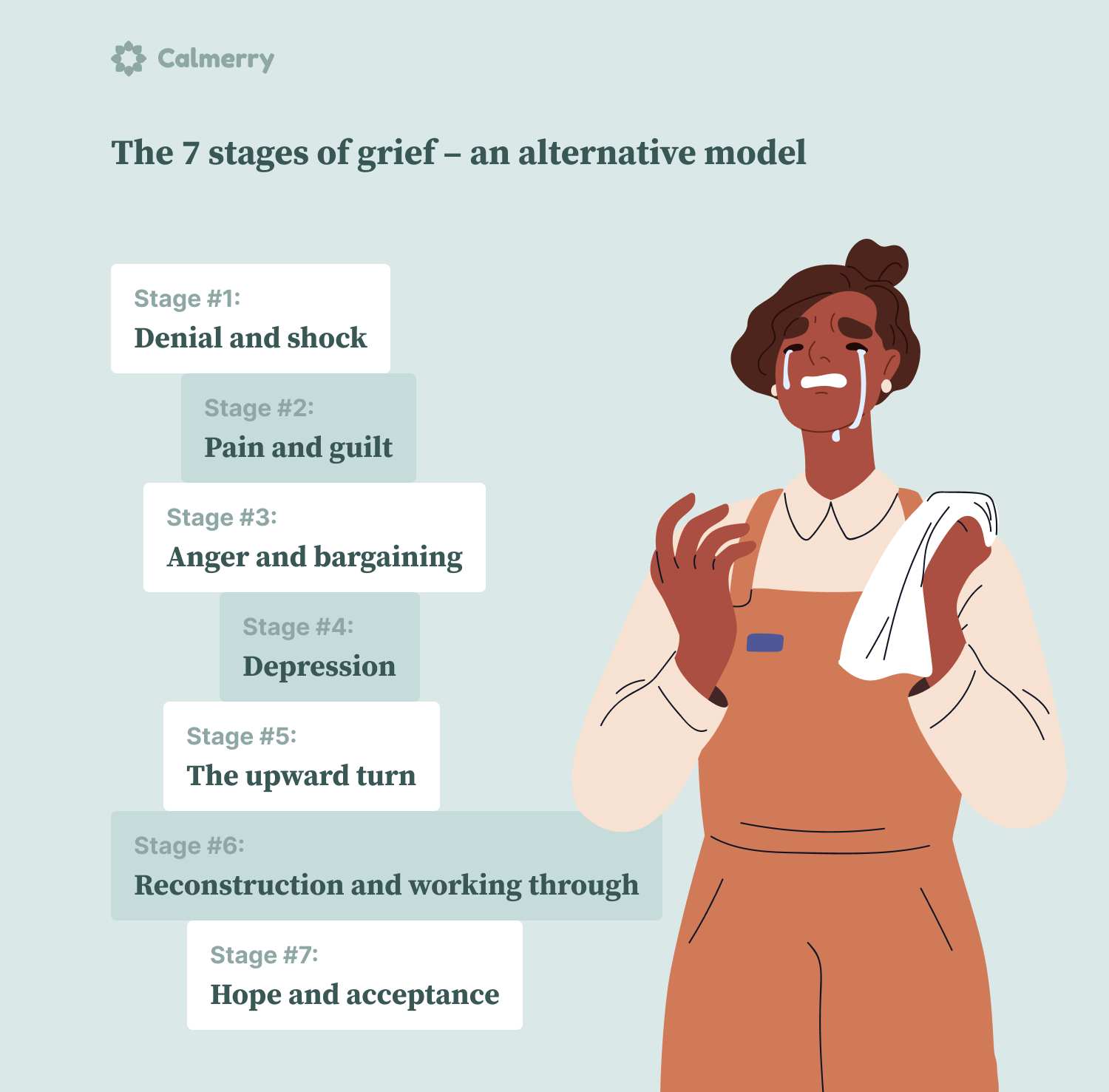
Examining is the process of attempting to locate solutions that offer a means of dealing with loss. Someone may wander in and out of various other mourning stages throughout this time around. This is the last of the grieving process. Acceptance does not indicate people really feel alright about a loss. Instead, it indicates they recognize the loss is their new fact.
Anxiety in Successful Healthcare Workers
Symptoms of sorrow largely settle after. Additionally, rather than experiencing a consistent decline in sorrow, an individual's emotions tend to fluctuate over time and come in waves.
Anticipatory pain is extra likely in individuals with reliant connections or restricted social support."Typical" sorrow is a steady development toward acceptance.
The Neural Mechanisms of Trauma
This is a pattern where signs and symptoms occur a lot behind is normal. This is a pattern where symptoms continue over a long term period. This is a pattern of very intense signs and symptoms. This is a kind of complicated sorrow that involves intense grief after twelve month have passed or 6 months for kids and teenagers.
The Analysis and Analytical Guidebook of Mental Illness, fifth version, text alteration (DSM-5-TR) acknowledges long term despair as an independent disorder. Support system might offer comfort, companionship, and validation. They can also work as a resource of useful details. An individual can find groups in their community with recreation center, hospices, places of worship, and health centers.
Every person experiences grief differently. With this, your despair signs are most extreme for 6 months after a loss. In this kind of pain, you experience loss before it takes place.
Integrating: From Dissociation to Integration Through Somatic Therapy
Or maybe you're so busy with functional issues that you do not have time to feel sorrow till a later point in time. This happens when you're processing multiple losses at when.
Collective pain makes the grieving process longer and extra complex. This kind of sorrow happens when you have prolonged troubles after a loss, making that make it hard to get on with day-to-day life.
This is when you regret far-reaching losses as part of a team. Examples are natural disasters, college capturings, and pandemics. Additionally referred to as challenging grief, it's really comparable to distressing pain. As this type of sorrow is intense and long-term, it hinders your life. Your pain does not reduce over time.
Pain is the experience of dealing with loss. It's associated with the fatality of an enjoyed one, however you can feel pain as a result of any kind of modification that challenges your identity or life routines. You might regret: The death of your good friend, family member, companion, or pet. Completion of your marital relationship or a relationship.
Reconnecting: Healing Dissociation to Authentic Living Through Somatic Therapy
Loss of your health. Loss of the life you had prior to a special needs or disease. Your own loss of life as you prepare for fatality.
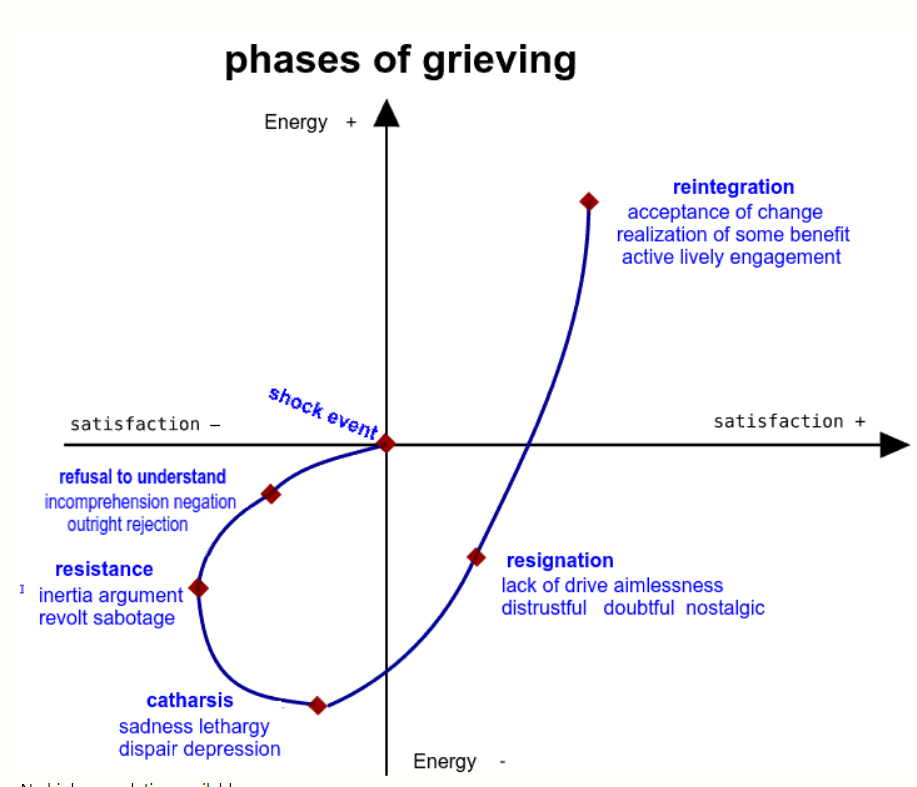
Ideas such as "if only" and "what if" are common at this stage. Despair collections in as you begin to comprehend the loss and its effect on your life.
You likewise may have conflicting or puzzling emotions, such as: Feeling depressing that an enjoyed one passed away, however likewise a sense of alleviation that they're not hurting. Missing your partner after separation, yet additionally rejoicing regarding a brand-new begin. Having shame for rejoicing, as you no more need to look after a passing away loved one.

Table of Contents
Latest Posts
Information for Cognitive Behavioral Therapy
Face-to-Face vs Virtual Treatment for Dialectical Behavior Therapy: Deciding The Right Fit
Understanding the Wounds of Coerced Conformity in Childhood
More
Latest Posts
Information for Cognitive Behavioral Therapy
Face-to-Face vs Virtual Treatment for Dialectical Behavior Therapy: Deciding The Right Fit
Understanding the Wounds of Coerced Conformity in Childhood